While I was publishing my latest blog posts, I started noticing that it was taking forever to actually generate the static files. Locally, it took about 48 seconds to build the whole site. When deploying on Cloudflare, the whole process took almost 3 minutes. I knew that other static site generators were faster, especially those that are written in Go, so I decided to migrate my setup to Hugo, a faster one.
I was listening to the generated audio for my blog post that I wrote yesterday about running local AI agents, and some of the sentences were kind of annoyingly spoken. I don't want people to get the wrong idea about me (that I speak weird), so I thought I would do some work on improving the way that I generate audio for my blog posts.
I've had some ideas in my head about ways to improve the workflow for making these audio files, so I went ahead and vibe coded a graphical CLI tool (since those are really cool right now) to do it. I also switched from using Qwen TTS to a model called OmniVoice after testing it locally on my Mac Studio.
I previously mentioned in my blog post about OpenClaw that I was really hoping that I could run an AI agent locally some day, but that the quality and speed of those local models was still too low to actually accomplish anything. I've been giving it another shot after testing Qwen 3.6 35B A3B (I recently replayed Nier: Automata, btw, maybe because all of these model names reminded me of 2B and 9S and A2). So far, the latest Qwen 3.6 model has been doing a pretty good job!
I was recently recommended a YouTube video by a channel called "水ラーメン" which translates to "water ramen." The video was of some Japanese guy buying a package of supermarket prawn and rescuing them (since they were still kinda alive). It was a good recommendation, because the video was so strange and interesting that I ended up watching a few more of his videos after that.
I'm not exactly sure why I got this recommendation, but my best guess is that I watched a few videos from some other guy who rescued a supermarket lobster (named Leon).
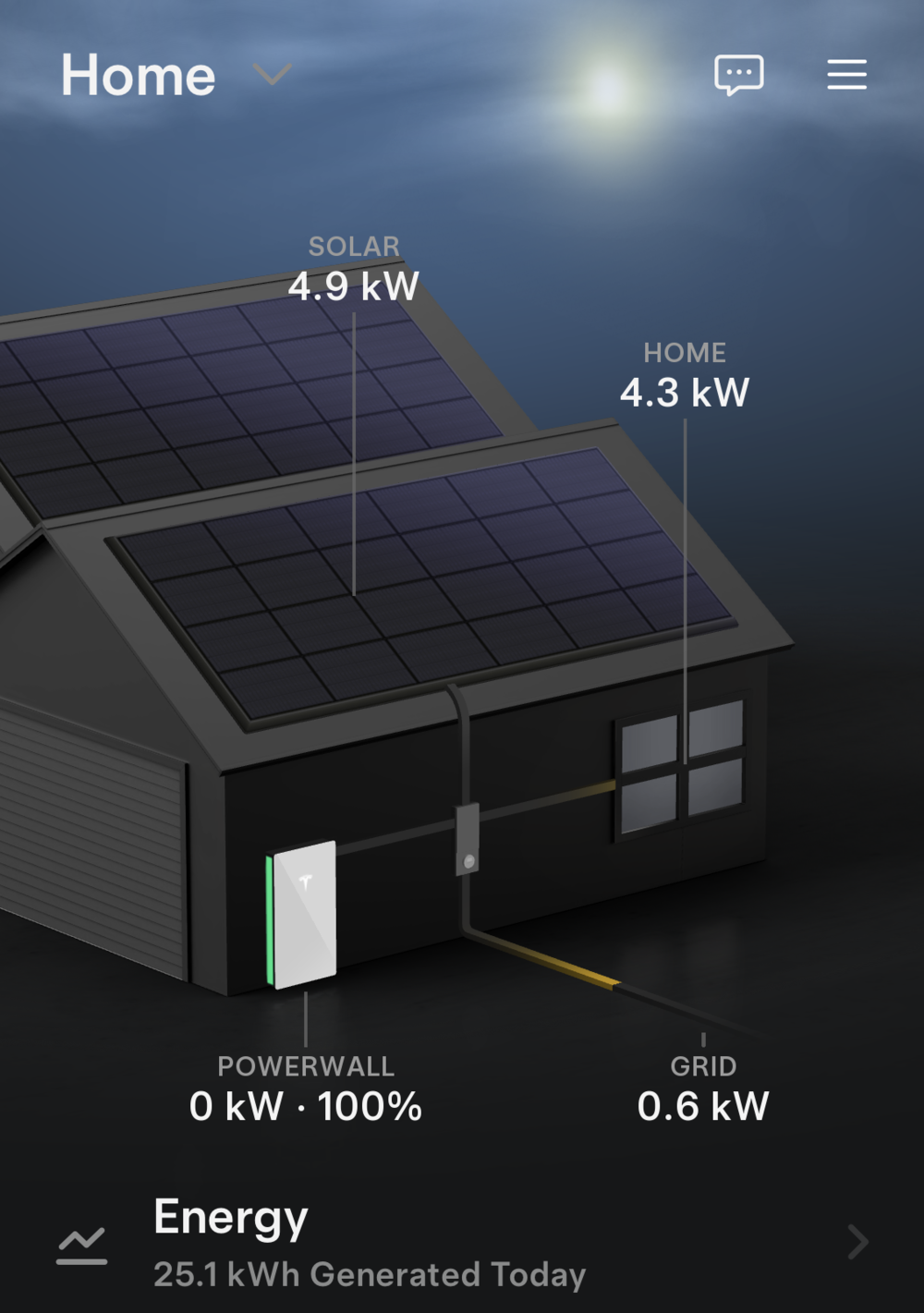
Since we had our solar panels and backup battery installed like a year ago, I've been somewhat obsessed with eking out as much efficiency from the system as possible. This meant that I'd be constantly monitoring the weather (for cloud cover), battery levels, solar panel output (and snow coverage) and the power consumption of the house. While I actually do enjoy paying attention to all of these things, it's also something that takes up a lot of time and effort. Since I've been trying to automate anything and everything that I otherwise do manually, I thought I'd take on the challenge of setting up a solar power manager for my house.